“Terror, whatever its colour”
The Heart of a Dog“Terror, whatever its colour” is Professor Preobrazhensky’s principle that fear cannot successfully govern a living creature: terror paralyses the nervous system, whatever political or other colour it wears. Spoken while he arranges food and care for the injured, nauseated dog, the maxim joins an abstract rejection of coercion to a small, practical act of kindness.
The Principle in Context
Professor Preobrazhensky says that kindness is the only possible method when dealing with a living creature. He insists that terror is useless at every level of development and maintains that people who expect to control others through fear are mistaken. His formulation widens the claim beyond the immediate encounter: white, red, and brown terror are all included, so the principle refuses to excuse coercion by its particular colour or justification.
The Dog’s Care
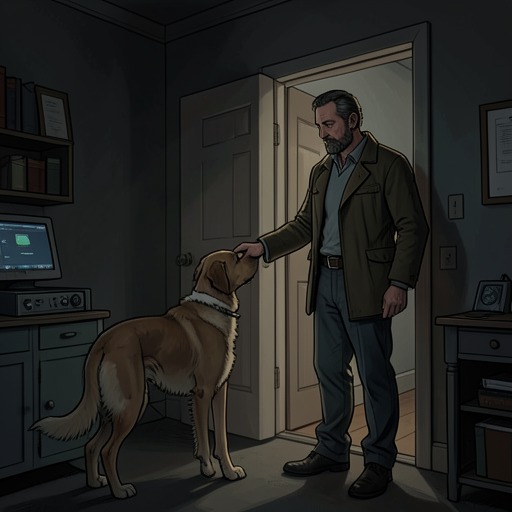
The words follow the dog’s fearful response after biting a doctor and breaking glass. Professor Preobrazhensky asks that the animal be allowed to rest and tells Zina to feed him once he has recovered from nausea. He has bought Cracow sausage for one rouble and forty kopecks for that purpose. The concrete sequence matters: the speech is accompanied not by punishment but by rest, food, and attention to the dog’s condition.
Meaning and Recurrence
The expression makes a contrast between terror’s claim to command and its actual effect: paralysis. In the scene, this is not merely a political slogan but a rule of conduct applied to a nervous animal. Its broad wording also gives the encounter a wider resonance, setting humane persuasion against coercive methods without treating terror as acceptable when its colour changes.